Obtaining the PZI (insulin) from the vet has been a shmozzle.
I wanted the Beef, she got me the human. I requested three weeks ago that I really wanted the beef and haven't heard back. grrrrr
In the meantime, I am trying a new human insulin called Levemir. It is long acting and a basal insulin, like Lantus was. We are still in early days (barely two weeks) and I think Kitty's numbers are better than they were on 4 months of Lantus but still too high.
The feline diabetes fun and games continue.
Levemir, I hope you're the trick.
Showing posts with label Lantus. Show all posts
Showing posts with label Lantus. Show all posts
The Feline Diabetes treatment continues
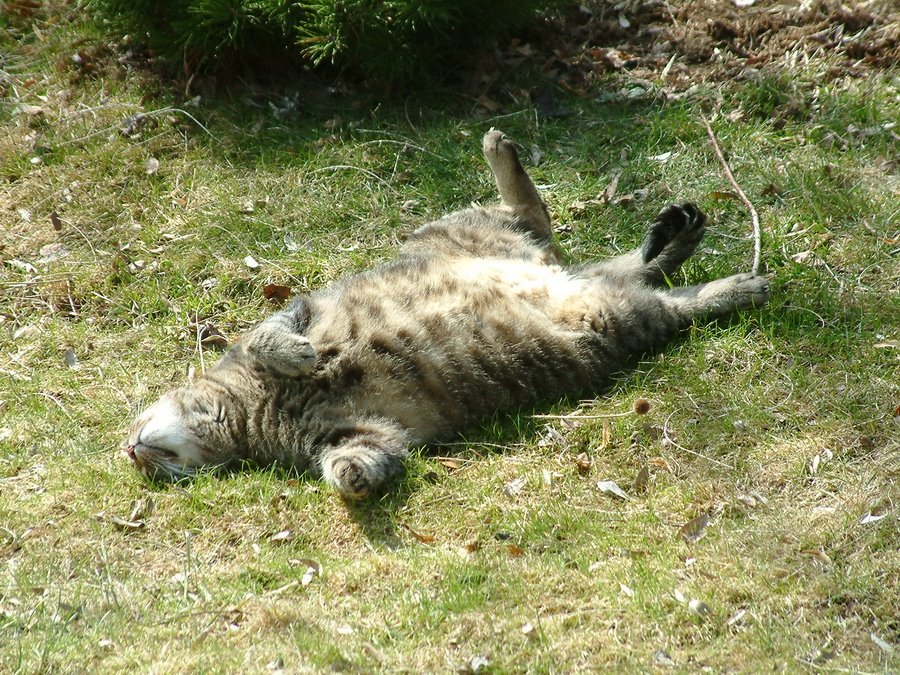
The bad news is that we are going to switch insulin. I guess the good news is that we have something to switch to.
The Lantus is not cutting it. It is inconsistent and driving us MAD. Actually this weekend, I think his numbers weren't too bad. We used to get a 2+ on the urine glucose and now we are at approximately 1/2 on the reading, so this is improvement.
This week on Lantus Insulin: Last Friday AM preshot was 32 mmol/dl. Evening preshot was 26.1. Saturday morning was 19.8 and evening was 19.7. I thought we were on a roll except Sunday morning we were at 26 again and at +4 we were only at 24/
Maybe we rebounded? Who knows?
So, I have spoken with our vetranarian and we are going to try PZI insulin. It is 100% beef and is only one amino acid different from feline insulins (amazing how cows and cats are similar!).
Hopefully we will start getting this under better control. I know we have some made progress but it has been 6 months and it is discouraging.
Wish us luck.
The Feline Diabetes treatment continues...
The Importance of Home Glucose Testing
We test Kitty's blood sugar at home, using a human glucometer. We prick the edge of his ear and use take a small drop of blood as a sample to measure how much sugar is in his blood. This is an absolutely invaluable tool for us, especially since Kitty has proven so difficult to regulate.
Case in point: Last week, his numbers were terrible. Worse than usual. I thought we had totally lost the plot in treating his feline diabetes. I was giving more insulin, but the response was poor. I had a thought: perhaps my Lantus insulin had gone "off"? It looked fine. Most people find that they get foreign matter, particulate or "floaties: in their Lantus as in indicator that it may be losing effectiveness. We had no such cue. The other issue is that Kitty is so wildly unregulated, we thought this was par for the course.
On a whim, I purchased a fresh bottle of Lantus on Sunday. His morning preshots have been 22-28 mmol/dlLlast week. This morning he was at 14.6 mmol/dlL. Last night I gave him 4U of insulin. Today I decided that I should reduce that and gave him 3U. When I came home at lunch, he was at 5.6 mmol/dl and quickly dropped to 2.7 mmol/dL. (Note normal ranges for healthy cats are 4-8 mmol/dL. For diabetics, we don't like them to go too far below 6 mmol/dL because they do not have the mechanisms as we do to prevent hypoglycemia (low blood sugar) which can have terrible consequences. However, I gave him some Pounce treats and once he was on his way up, I felt it was safe to go back to work. Luckily my employer is kind and patient; I was gone for over 3 hours!
Tonight, his preshot was only at 5.4 mmol/dL, four hours after I last tested him. Shooting at this level is asking for trouble, as today has proven. If I hadn't been testing him, I would be giving insulin blindly and possibly causing harm. I am going to wait and see if I can give him a shot later this evening. Hopefully we will be able to manage this overlap better, but for now, this is what we have to do.
Ignorance is bliss, but not when dealing with feline diabetes.
Case in point: Last week, his numbers were terrible. Worse than usual. I thought we had totally lost the plot in treating his feline diabetes. I was giving more insulin, but the response was poor. I had a thought: perhaps my Lantus insulin had gone "off"? It looked fine. Most people find that they get foreign matter, particulate or "floaties: in their Lantus as in indicator that it may be losing effectiveness. We had no such cue. The other issue is that Kitty is so wildly unregulated, we thought this was par for the course.
On a whim, I purchased a fresh bottle of Lantus on Sunday. His morning preshots have been 22-28 mmol/dlLlast week. This morning he was at 14.6 mmol/dlL. Last night I gave him 4U of insulin. Today I decided that I should reduce that and gave him 3U. When I came home at lunch, he was at 5.6 mmol/dl and quickly dropped to 2.7 mmol/dL. (Note normal ranges for healthy cats are 4-8 mmol/dL. For diabetics, we don't like them to go too far below 6 mmol/dL because they do not have the mechanisms as we do to prevent hypoglycemia (low blood sugar) which can have terrible consequences. However, I gave him some Pounce treats and once he was on his way up, I felt it was safe to go back to work. Luckily my employer is kind and patient; I was gone for over 3 hours!
Tonight, his preshot was only at 5.4 mmol/dL, four hours after I last tested him. Shooting at this level is asking for trouble, as today has proven. If I hadn't been testing him, I would be giving insulin blindly and possibly causing harm. I am going to wait and see if I can give him a shot later this evening. Hopefully we will be able to manage this overlap better, but for now, this is what we have to do.
Ignorance is bliss, but not when dealing with feline diabetes.
Types of Insulin Used to Treat Feline Diabetes
There are many different types of insulin used to treat feline diabetes. Part of the trick of feline diabetes is that none of these insulins are exactly like cat insulin. You must find, through trial and error, the best insulin for your cat.
Many vets prescribe human insulins. These are cheap and easy to get and work very well for many cats. Humulin N, L and U are three that are typically prescribed. The N insulin is a short acting insulin and probably does not have enough duration for most cats. It can have sharp steep drops (where the blood sugar drops too low) and then it can wear off quickly causing the blood sugar to increase quickly. L and U (Lente and Ultra lente) are medium and longer lasting insulins. Unfortunately, Eli Lilly, the manufacturer has discountinued these and many people whose cats have been regulated on these are scrambling to find alternatives.
 Caninsulin is a pork based insulin which is prescribed by the veterinarian. It is considered a medium acting insulin. This is also knows as Vetsulin in the United States.
Lantus is a newer human insulin that has some promising research done on cats. It is very long lasting insulin.
PZI is another insulin and it can be found in a pork or beef format. The insulin is in a protamine zinc suspension, which makes it a long lasting insulin as well. Many cats do well on the beef derived PZI.
Many vets prescribe human insulins. These are cheap and easy to get and work very well for many cats. Humulin N, L and U are three that are typically prescribed. The N insulin is a short acting insulin and probably does not have enough duration for most cats. It can have sharp steep drops (where the blood sugar drops too low) and then it can wear off quickly causing the blood sugar to increase quickly. L and U (Lente and Ultra lente) are medium and longer lasting insulins. Unfortunately, Eli Lilly, the manufacturer has discountinued these and many people whose cats have been regulated on these are scrambling to find alternatives.
Lantus is a newer human insulin that has some promising research done on cats. It is very long lasting insulin.
PZI is another insulin and it can be found in a pork or beef format. The insulin is in a protamine zinc suspension, which makes it a long lasting insulin as well. Many cats do well on the beef derived PZI.
More history of Kitty and his feline diabetes
As part of my blog, I am trying record of what is happening with my cat, Kitty. Kitty is a 15 year old tabby, weighing in at 23 pounds. As I mentioned before, he was first diagnosed with feline diabetes back in January of 2o01 but "snapped out of it" (so to speak) by June 2001.
Fast forward to Octiber 2005, and his diabetes is back!! We started on the animal insuln, Caninsulin which proved to be a disaster. On January 18th, 2006, we switched to a human insulin called Lantus. It is a long lasting insulin, which has shown much promise in studies to be good for cats. One of the biggest problems with administering insulin is that there is no insulin out there that is EXACTLY LIKE FELINE INSULIN. Often, cats do not respond well or at all. Even when they do respond, their bodies need time to get used to this new insulin and figure out how to use it. Therefore, each dose should be allowed to settle for at least 7 days.
 We started at a conservative dose of 2.5U Lantus, twice a day (also known as BID). The vet wanted us to start at 5U BID, but I have seen Kitty's numbers crash and really wanted to be careful. We stayed on this dose for approximately 2 weeks, but saw no real improvement. We then increased to 3.5, 4.5 and finally, as of last Tuesday, we are at 5U BID. One issue we have noticed is that Kitty is getting serious neuropathy in his back legs. It is caused by nerve damage due to high blood glucose levels.
I test Kitty's blood glucose before every shot. Normally, his numbers are very high (26, 30 etc). A normal range is 4-8 mmol/dl. Last Wednesday, his preshot was 15. I gave him his full dose and watched as his sugars dropped to 2.9 before they started to climb back up. Usually, the climb up much higher. This is possibly an instance of symogi or rebound (more on rebound later). His next preshot was 23.9.
Thursday night, his preshot was 9.3 mmol/dl!!! He was playing with the laser pointer and being very "himself". In this instance, the best thing to do is to feed and test again in an hour. Well, an hour later, he was at 5.4! By 3 hours past his normal shot time, he was only back up to 8 and 8 hours after, we was only back up to 17. By the next morning, he was at 28.9 and we have not been able to move that much.
Hopefully, we can straighten this out a bit better this weekend.
Fast forward to Octiber 2005, and his diabetes is back!! We started on the animal insuln, Caninsulin which proved to be a disaster. On January 18th, 2006, we switched to a human insulin called Lantus. It is a long lasting insulin, which has shown much promise in studies to be good for cats. One of the biggest problems with administering insulin is that there is no insulin out there that is EXACTLY LIKE FELINE INSULIN. Often, cats do not respond well or at all. Even when they do respond, their bodies need time to get used to this new insulin and figure out how to use it. Therefore, each dose should be allowed to settle for at least 7 days.
I test Kitty's blood glucose before every shot. Normally, his numbers are very high (26, 30 etc). A normal range is 4-8 mmol/dl. Last Wednesday, his preshot was 15. I gave him his full dose and watched as his sugars dropped to 2.9 before they started to climb back up. Usually, the climb up much higher. This is possibly an instance of symogi or rebound (more on rebound later). His next preshot was 23.9.
Thursday night, his preshot was 9.3 mmol/dl!!! He was playing with the laser pointer and being very "himself". In this instance, the best thing to do is to feed and test again in an hour. Well, an hour later, he was at 5.4! By 3 hours past his normal shot time, he was only back up to 8 and 8 hours after, we was only back up to 17. By the next morning, he was at 28.9 and we have not been able to move that much.
Hopefully, we can straighten this out a bit better this weekend.
Initial Treatment of Feline Diabetes
Further to the "OH MY GOD, My cat has diabetes" theme, I am going to talk a bit about initial treatment of feline diabetes. Once your vet has determined that indeed you are dealing with feline diabetes, he or she will send you home with a vial of insulin (or instructions on where to get some), instructions on how and when to inject it and perhaps suggestions on a diet change (we'll get to that at a later date).
You will probably start at a low dose, usually twice a day. The needles are given subcutaneously (under the skin). My first reaction to this notion was that I could never give my cat needles. Well, fear not. They can hardly even feel them. Many vets like the humulin insulins, as they are cheap, easy to get, and work very well for many cats. Unfortunately, Eli Lilly, the maker of two very popular insulins for cats, L and U have discontinued these. Alternatively, your vet may start you on the pork based insulin called Caninsulin in Canada (Vetsulin in the United States). This insulin is exactly like canine insulin and similar to feline insulin. Other insulins that are available are PZI Vet, Lantus (a long lasting human insulin) and a new insulin called Levemir that is showing some promise in cats.
 The choice of insulin can be a little tricky. Many cats respond well to a different insulin than their own. There are some like Kitty that decide to go on a wild rollercoater ride with various insulins (more on that later too!).
After a week or two, the vet will probably ask you to bring your cat back to do a glucose curve. It will give an indication on how well the insulin is working. Based on this, the vet will decide whether to increase, decrease or maintain the dose. Many people are now testing their cats blood sugar at home using a human glucometer.
Kitty is INCREDIBLY fractious at the vets and there would be absolutely no point in doing a curve at the vets as stress can raise blood sugar levels even higher, throwing the results off. We do glucose curves at home and I will describe later how to do this and what the results may mean.
The final thing that the vet will alert you to is signs of hypoglycemia (low blood sugar). Many cats can get low blood sugar without any symptoms. However, if your cat seems to be acting strangely, disoriented, having seizures or convulsions, it is possible that their blood sugar has gone too low. Always keep some corn syrup around and apply to the cats gums if they won't eat it. This will create an increase in blood sugar, albeit temporary. Feeding some of their regular food afterwards will hopefully pick up where the corn syrup has worn off. This is where being able to test at home is an invaluable tool. If you are uncertain what is going on, please get your cat to the vet as soon as possible.
So, you leave the vet armed with-
a) your cat
b) the insulin and syringes
c) instructions on how to treat hypoglycemia and
d) perhaps a new diet.
It all seems so overwhelming those first few weeks, but I can promise you that it will all start to make sense and get much, much easier!
Feline diabetes is NOT a death sentence.
It takes diligence and care, but your cat can live a long, happy life with it.
You will probably start at a low dose, usually twice a day. The needles are given subcutaneously (under the skin). My first reaction to this notion was that I could never give my cat needles. Well, fear not. They can hardly even feel them. Many vets like the humulin insulins, as they are cheap, easy to get, and work very well for many cats. Unfortunately, Eli Lilly, the maker of two very popular insulins for cats, L and U have discontinued these. Alternatively, your vet may start you on the pork based insulin called Caninsulin in Canada (Vetsulin in the United States). This insulin is exactly like canine insulin and similar to feline insulin. Other insulins that are available are PZI Vet, Lantus (a long lasting human insulin) and a new insulin called Levemir that is showing some promise in cats.
After a week or two, the vet will probably ask you to bring your cat back to do a glucose curve. It will give an indication on how well the insulin is working. Based on this, the vet will decide whether to increase, decrease or maintain the dose. Many people are now testing their cats blood sugar at home using a human glucometer.
Kitty is INCREDIBLY fractious at the vets and there would be absolutely no point in doing a curve at the vets as stress can raise blood sugar levels even higher, throwing the results off. We do glucose curves at home and I will describe later how to do this and what the results may mean.
The final thing that the vet will alert you to is signs of hypoglycemia (low blood sugar). Many cats can get low blood sugar without any symptoms. However, if your cat seems to be acting strangely, disoriented, having seizures or convulsions, it is possible that their blood sugar has gone too low. Always keep some corn syrup around and apply to the cats gums if they won't eat it. This will create an increase in blood sugar, albeit temporary. Feeding some of their regular food afterwards will hopefully pick up where the corn syrup has worn off. This is where being able to test at home is an invaluable tool. If you are uncertain what is going on, please get your cat to the vet as soon as possible.
So, you leave the vet armed with-
a) your cat
b) the insulin and syringes
c) instructions on how to treat hypoglycemia and
d) perhaps a new diet.
It all seems so overwhelming those first few weeks, but I can promise you that it will all start to make sense and get much, much easier!
Feline diabetes is NOT a death sentence.
It takes diligence and care, but your cat can live a long, happy life with it.
The Caninsulin Chronicles (some background history)
Initially, our veterinarian wanted my diabetic cat on Caninsulin 2U BID (twice a day). We got absolutely no response. Day after day, the glucometer was reading HI (or >33.4 mmol/dl). We increased to 3U, then 4...
At around 5 units of Caninsulin scary things started to happen, we got crazy highs and crashing lows. We never knew what was going to happen from one day to the next. My poor cat suffered three months of this. It was truly enough to drive anyone MAD. I was a basket case, and certain that I was going to kill my cat and not knowing what to do about it.
We finally got to 6 units and the veterinarian and I decided that we need to try something else. This was NOT working at all. There is a new human insulin called Lantus that seemed promising for cats in an Australian study. I was ready to try anything at this point. So on January 18th, we started the new insulin at 3.5 U BID to treat his feline diabetes.
It is not the savior that I had so desperately hoped for.
To be continued...
At around 5 units of Caninsulin scary things started to happen, we got crazy highs and crashing lows. We never knew what was going to happen from one day to the next. My poor cat suffered three months of this. It was truly enough to drive anyone MAD. I was a basket case, and certain that I was going to kill my cat and not knowing what to do about it.
We finally got to 6 units and the veterinarian and I decided that we need to try something else. This was NOT working at all. There is a new human insulin called Lantus that seemed promising for cats in an Australian study. I was ready to try anything at this point. So on January 18th, we started the new insulin at 3.5 U BID to treat his feline diabetes.
It is not the savior that I had so desperately hoped for.
To be continued...
Subscribe to:
Comments (Atom)